
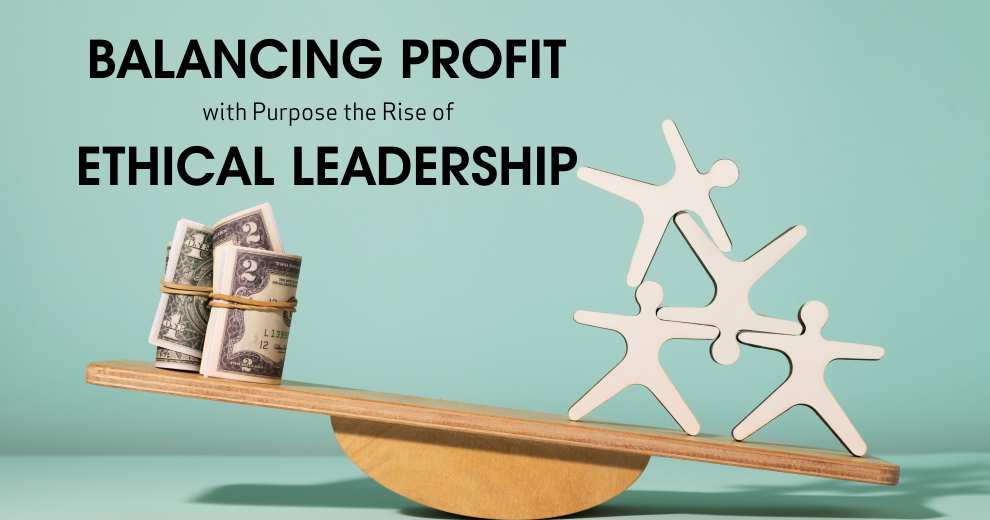
In the boardrooms of 2025, success is no longer measured by profit margins alone. A quiet revolution is reshaping corporate leadership — one driven by integrity, empathy, and long-term vision. Ethical leadership has moved from the periphery of corporate social responsibility reports to the very heart of strategic decision-making. Today’s most dynamic CEOs are proving that purpose and profit are not opposing forces, but powerful partners in building resilient and respected organizations.
The New Definition of Leadership
Once upon a time, CEOs were celebrated for relentless growth and shareholder returns. But the world has changed. Climate crises, social inequality, data privacy concerns, and employee well-being have forced companies to redefine what it means to lead responsibly.
Consumers, investors, and employees are demanding more than financial results. They want authenticity, transparency, and accountability. In 2025, a company’s reputation can rise or collapse in a single news cycle, making ethical decision-making a strategic necessity rather than a soft virtue.
Profit Meets Purpose
Ethical leadership is not about philanthropy or charity; it’s about aligning business operations with core human values. Companies that balance profit with purpose integrate sustainability and ethics into their daily choices — from how they source materials to how they treat employees.
Why It Matters in 2025
The rise of artificial intelligence, automation, and digital transformation has amplified the ethical dimension of business decisions. Questions about data privacy, bias in algorithms, and the future of human work are now moral as well as operational challenges. Ethical CEOs must navigate this complex terrain with clarity and courage, ensuring innovation serves humanity rather than exploiting it.
Moreover, as the climate emergency intensifies, stakeholders expect corporations to take measurable steps toward sustainability. Investors increasingly use ESG (Environmental, Social, and Governance) scores to assess company performance. Ethical leadership has therefore become a competitive advantage — attracting capital, talent, and loyal customers who align with the company’s mission.
Ethics as the Engine of Sustainable Profit
In today’s competitive business world, ethics and profits are no longer seen as conflicting goals but as complementary forces that shape sustainable success. Ethical practices form the foundation of trust — an invisible yet powerful asset that fuels customer loyalty, employee commitment, and investor confidence. Companies that operate with honesty, fairness, and social responsibility often enjoy stronger reputations, which translate directly into long-term financial gains.
Short-term profit can be achieved through cost-cutting or questionable practices, but such strategies risk reputational damage, legal troubles, and customer loss. In contrast, organizations that integrate ethical values into their operations — such as transparency, fair treatment, and environmental responsibility — build a resilient brand image that attracts both consumers and talent.
Modern investors increasingly recognize this connection, rewarding businesses that adhere to Environmental, Social, and Governance (ESG) standards. Ethics, therefore, act as a form of risk management, protecting companies from scandals and instability.
Ultimately, profits earned through ethical conduct are not just financially rewarding but also socially meaningful. The companies leading in 2025 prove that integrity is not a limitation — it’s a competitive advantage. When ethics guide decision-making, profitability follows naturally, ensuring growth that is both responsible and enduring.
The Human-Centric CEO
In this new era, leadership is less about authority and more about empathy. The best leaders are those who listen, empower, and act with humility. Satya Nadella’s transformation of Microsoft is often cited as a case study: by embedding empathy into the company’s culture, he revitalized collaboration, innovation, and profitability simultaneously.
Challenges on the Path
Balancing profit with purpose isn’t easy. Ethical decisions often come with short-term costs or shareholder pushback. Choosing sustainability may reduce immediate margins; prioritizing employee welfare might require restructuring compensation models. But visionary leaders understand that integrity builds endurance. Companies that ignore ethics for speed or gain risk losing public trust — and with it, their future.
The real test of ethical leadership lies in consistency — doing the right thing even when no one is watching, or when the markets punish you for it. This kind of courage separates dynamic CEOs from the merely successful.
The Way Forward
As we move deeper into 2025, the corporate world is entering a new age of accountability. Ethical leadership is emerging as both a moral and strategic imperative. Companies that lead with purpose are more innovative, attract better talent, and are more resilient in crises.
Ultimately, ethical leadership is about vision — seeing beyond quarterly targets to the broader impact of corporate actions on society and the planet. The leaders who balance profit with purpose are not just building successful companies; they are shaping a better world.
Conclusion
The rise of ethical leadership signals a turning point in business history. The era of profit at any cost is fading, replaced by a generation of CEOs who lead with conscience, clarity, and compassion. Their message is simple but profound: doing good is good business.
In 2025 and beyond, those who balance purpose with profit will not only survive — they will define the future of leadership.
– Shruti Kerur