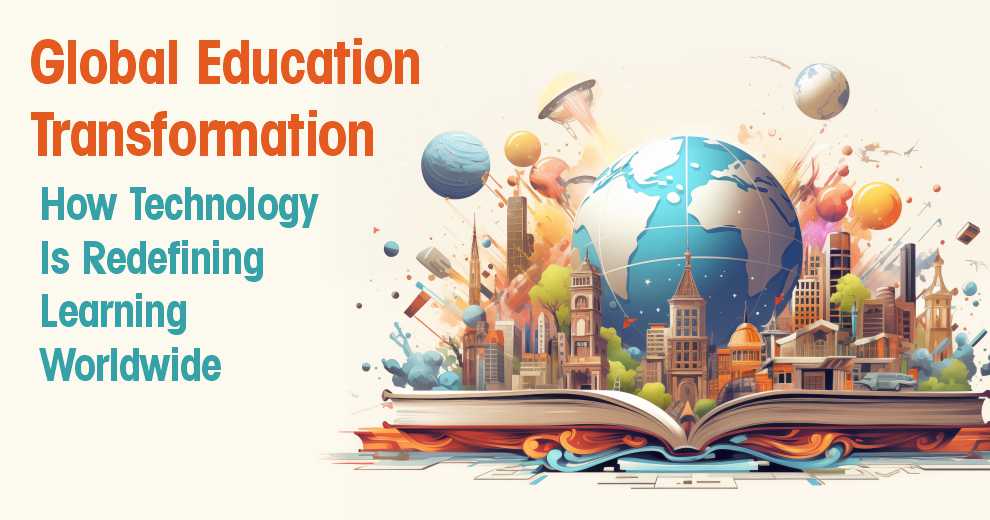
Education across the world is undergoing a powerful transformation. Traditional classroom-based learning, once limited by geography, infrastructure, and resources, is rapidly evolving due to technological advancements. Digital tools, online platforms, and innovative teaching methods are reshaping how knowledge is delivered, accessed, and experienced globally. This shift marks a new era in education—one that is more inclusive, flexible, and future-oriented.
The Shift from Traditional to Digital Learning
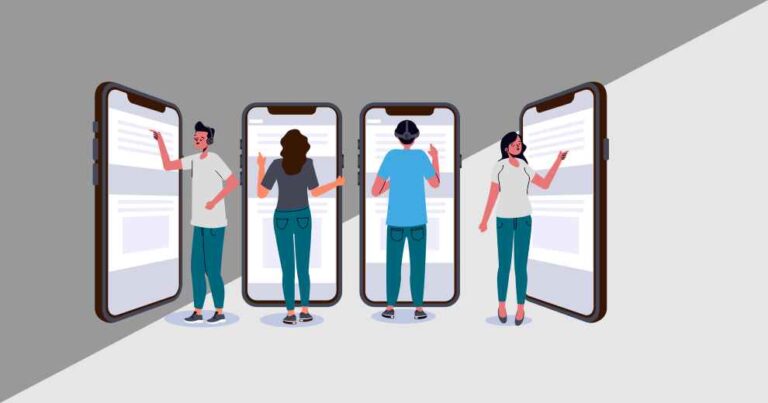
For decades, education followed a one-size-fits-all model centered on physical classrooms and fixed schedules. Technology has disrupted this approach by introducing online learning platforms, virtual classrooms, and digital content that allow learners to study anytime and anywhere. Students today can attend lectures from global universities, access recorded lessons, and interact with educators beyond borders, making learning more personalized and accessible.
Role of Technology in Expanding Access
One of the most significant impacts of technology on education is improved access. Digital education tools have made quality learning available to students in remote and underserved regions. Massive Open Online Courses (MOOCs), mobile learning apps, and low-cost digital devices are helping bridge educational gaps, especially in developing countries. Technology has transformed education from a privilege into a global opportunity.
Personalized and Student-Centered Learning
Technology enables personalized learning experiences tailored to individual student needs. Artificial intelligence, data analytics, and adaptive learning platforms assess learners’ strengths and weaknesses, allowing content to be customized accordingly. This student-centered approach improves engagement, learning outcomes, and retention by moving away from rigid teaching methods.
The Rise of Skill-Based and Lifelong Learning
Global education transformation is not limited to schools and universities. Technology has fueled the growth of skill-based education, micro-credentials, and lifelong learning programs. Professionals can now upskill or reskill through online certifications aligned with industry needs. This shift ensures learners remain relevant in a rapidly changing job market driven by automation and digitalization.
Collaboration and Global Connectivity
Technology has connected classrooms across countries, promoting cultural exchange and global collaboration. Virtual group projects, international webinars, and online conferences allow students and educators to learn from diverse perspectives. This global connectivity prepares learners to thrive in multicultural and interconnected work environments.
Challenges in the Digital Education Era
Despite its benefits, technology-driven education faces challenges such as digital inequality, lack of infrastructure, and the need for teacher training. Not all learners have equal access to devices or reliable internet connectivity. Addressing these challenges requires collective efforts from governments, institutions, and private organizations to ensure inclusive and sustainable education transformation.
The Future of Global Education
As technology continues to evolve, education systems worldwide must adapt to remain relevant. Blended learning models, virtual reality classrooms, and AI-driven tutoring are shaping the future of education. The focus is shifting from rote learning to critical thinking, creativity, and problem-solving—skills essential for the future workforce.
Education Without Borders: The Rise of Global Learning Platforms
Technology has removed geographical barriers in education, creating a truly global learning environment. Global learning platforms such as online universities, MOOCs, and digital training portals allow students to access high-quality education from anywhere in the world. Learners are no longer restricted to local institutions; instead, they can choose courses from international universities and global experts.
These platforms offer flexible learning options, including self-paced courses, live virtual classes, and interactive learning communities. This flexibility benefits working professionals, students in remote areas, and learners seeking continuous skill development. Language support, subtitles, and culturally inclusive content further enhance accessibility for diverse learners.
Global learning platforms also encourage cross-border collaboration. Students from different countries can participate in group discussions, projects, and knowledge-sharing activities, fostering global perspectives and cultural understanding. This exposure prepares learners for international careers and a globally connected workforce.
Overall, the rise of global learning platforms represents a major step toward inclusive and borderless education. By making knowledge accessible beyond physical boundaries, technology is redefining how education is delivered and experienced worldwide.
Conclusion
Global education transformation driven by technology is redefining learning in unprecedented ways. By enhancing access, personalization, and global collaboration, technology is creating a more inclusive and dynamic education ecosystem. While challenges remain, the continued integration of technology promises a future where learning knows no boundaries, empowering individuals and societies worldwide.
– Shruti Kerur