Introduction
Artificial Intelligence (AI) is no longer a futuristic concept—it has become a part of our daily lives. From voice assistants and chatbots to advanced data analysis systems, AI is transforming industries across the world. Businesses are adopting these technologies to improve efficiency, reduce costs, and stay competitive in a fast-changing environment. However, one major concern that comes with this transformation is its impact on employment. Many people wonder whether AI is replacing jobs entirely or creating new opportunities. The truth lies somewhere in between, as AI brings both challenges and benefits to the workforce.
AI Replacing Routine Work
One of the most noticeable effects of AI is its ability to automate repetitive and predictable tasks. Jobs that involve routine processes, such as data entry, basic accounting, and customer support, are increasingly being handled by machines. AI-powered systems can perform these tasks faster and with greater accuracy than humans. They can work continuously without breaks, which significantly improves productivity. For businesses, this means lower operational costs and fewer errors. While this shift is beneficial for organizations, it also reduces the need for human involvement in certain types of work.
Risk of Job Loss
The automation of routine tasks has raised concerns about job security. Many workers, especially those in low-skill or repetitive roles, fear that their jobs may become obsolete. As AI takes over these positions, the demand for such roles decreases, leading to fewer employment opportunities in certain sectors. This creates uncertainty and anxiety among employees who may not have the skills required to transition into new roles. The fear of unemployment due to AI is real, and it highlights the need for individuals to prepare for a changing job market.
New Career Opportunities
Despite the challenges, AI is also creating new job opportunities. As technology evolves, it opens doors to careers that did not exist a few years ago. Roles such as data scientists, AI specialists, machine learning engineers, and cybersecurity analysts are now in high demand. In addition, AI is not limited to technical fields. It is also transforming industries like marketing, healthcare, education, and finance by helping professionals work more efficiently. For example, marketers can use AI tools for better customer insights, while doctors can rely on AI for improved diagnosis. This shows that AI is not just eliminating jobs—it is also reshaping them.
Humans and AI Working Together
It is important to understand that AI does not completely replace humans in most cases. Instead, it complements human abilities. While AI is excellent at processing large amounts of data and identifying patterns, humans bring creativity, critical thinking, and emotional intelligence to the table. In many industries, AI and humans work together to achieve better outcomes. For instance, in healthcare, AI can assist in diagnosing diseases, but doctors are still essential for patient care and final decision-making. This collaboration highlights that AI is more of a tool than a replacement.
Need for Skill Development
The key to surviving and thriving in an AI-driven world is adaptability. Individuals who are willing to learn and upgrade their skills are more likely to benefit from these changes. Skills such as critical thinking, problem-solving, communication, and digital literacy are becoming increasingly important. Continuous learning and upskilling can help individuals stay relevant in the job market. At the same time, governments and organizations need to support this transition by offering training programs and creating opportunities for skill development.
Better Quality of Work
AI also has the potential to improve the overall quality of work. By taking over monotonous and repetitive tasks, it allows employees to focus on more meaningful and creative activities. This can lead to higher job satisfaction and increased innovation. Instead of spending time on routine work, individuals can contribute to strategic decision-making and problem-solving, making their roles more engaging and valuable.
Conclusion
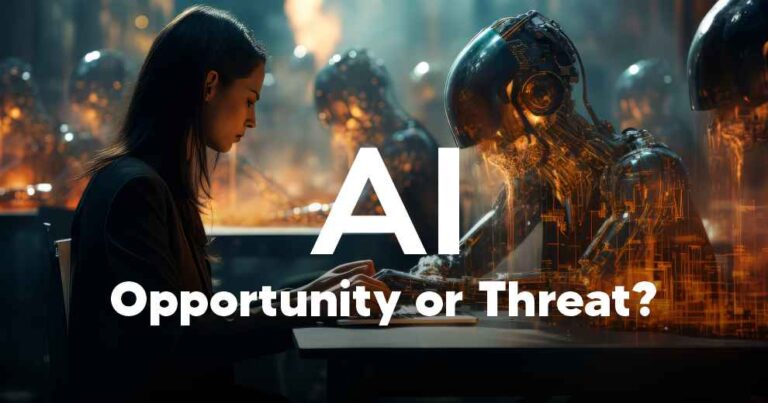
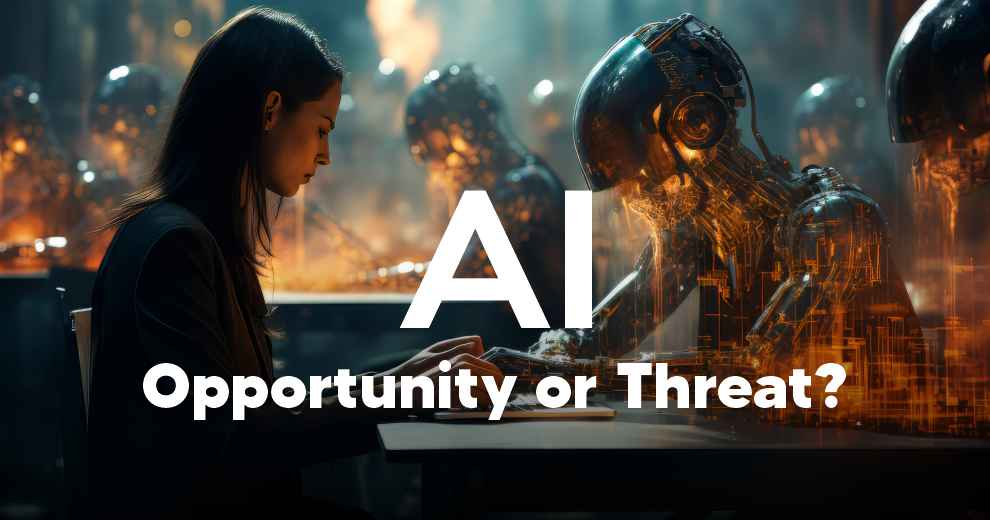
In conclusion, AI replacing traditional jobs is both an opportunity and a threat. While it may lead to the loss of certain roles, it also creates new career paths and improves the way we work. The impact of AI depends largely on how individuals, businesses, and societies respond to it. By embracing change, investing in skills, and staying adaptable, we can ensure that AI becomes a tool for growth rather than a source of fear.