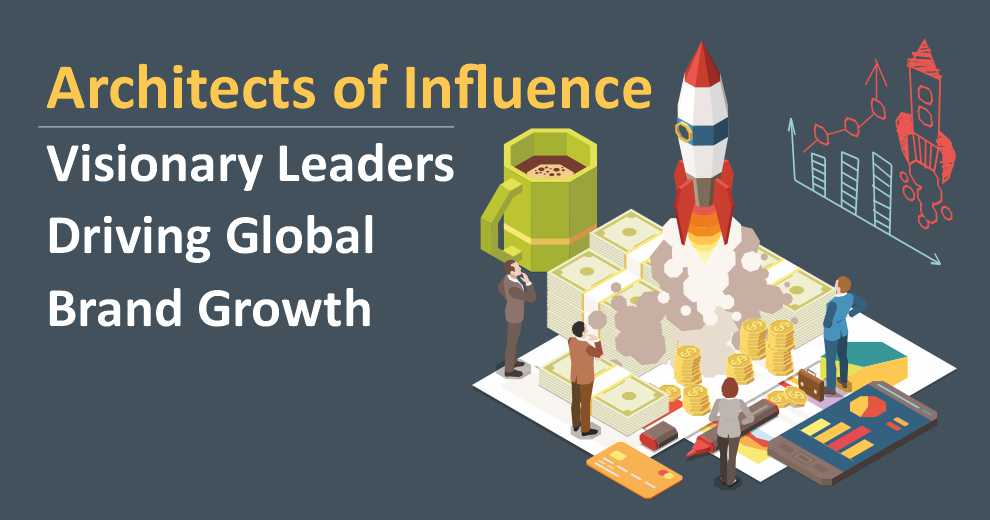
In today’s rapidly changing business environment, building a global brand is no longer simply about having a memorable name, attractive logo, or powerful advertising campaign. Brands are built through experiences, conversations, communities, innovation and, most importantly, leadership. Behind every successful and influential brand is a leader who understands that growth is not achieved overnight. It requires a clear vision, an understanding of people, the courage to experiment and the ability to adapt to a constantly changing marketplace.
As we step further into 2026, the role of such leaders has become even more significant. Artificial intelligence, digital communities, changing consumer expectations and global connectivity are transforming the way brands communicate with their audiences. Yet, despite this technological progress, people continue to look for something deeply human—trust, authenticity, purpose and meaningful connections. This is where the new generation of visionary leaders is making a difference.
From Brand Builders to Architects of Influence
The traditional role of a brand leader was largely focused on marketing, advertising and customer acquisition. Today, that role has expanded considerably. Visionary leaders are thinking beyond campaigns. They are building ecosystems around their brands, creating communities and developing experiences that remain memorable long after a customer has made a purchase.
They understand that a brand is not what a company says about itself; it is what people feel, remember and share about it. These leaders are therefore becoming architects of influence—individuals who combine business thinking with creativity, technology, cultural awareness and a deep understanding of human behaviour. Their greatest strength is their ability to look beyond the present and imagine what their audience will need tomorrow.
Technology Is Accelerating Brand Growth
Technology has become one of the biggest drivers of modern brand growth. Artificial intelligence, automation, analytics and digital platforms have given businesses access to opportunities that were unimaginable a decade ago. But visionary leaders understand that technology is a tool, not the destination.
AI can help businesses understand customer behaviour, personalise communication, analyse trends and create content more efficiently. However, technology alone cannot create emotional connection. The leaders who will make the greatest impact in 2026 are those who know how to combine technological capability with human creativity. They ask important questions: What does the customer really need? What problem are we solving? How can technology improve the experience? And, most importantly, how can we remain human in an increasingly digital world?
Understanding People Before Markets
Global brand growth begins with understanding people. Consumer behaviour is changing rapidly. Customers today are more informed, more vocal and more selective about the brands they support. They do not simply look at price or product features; they increasingly consider values, experience, transparency and the story behind a brand.
Visionary leaders pay attention to these changes. They observe cultural shifts, listen to conversations and identify emerging needs before they become mainstream. Rather than simply reacting to consumer behaviour, they anticipate it. This ability to understand people is one of the most powerful qualities separating ordinary brand management from visionary leadership.
Thinking Globally While Staying Relevant Locally
One of the greatest challenges of global brand growth is maintaining a consistent identity while connecting with different cultures. A message that works in one market may not necessarily have the same impact elsewhere. Language, traditions, lifestyles and expectations can vary dramatically.
Successful leaders understand that global growth does not mean making everything identical. Instead, they create a strong central identity while allowing their brand to adapt naturally to local audiences. They respect cultural differences without losing the values that define the brand. This balance between global vision and local relevance is becoming one of the defining characteristics of successful brand leadership.
Creativity Remains a Competitive Advantage
With AI making content creation faster and easier, creativity is becoming even more valuable. When everyone has access to similar technology, the difference lies in the ideas.
Visionary leaders understand that creativity is not limited to advertising. It can influence product development, customer experience, communication, partnerships and even the way a business solves problems. They encourage their teams to question conventional thinking and experiment with new ideas. The brands that stand out in a crowded marketplace will not necessarily be the ones producing the most content; they will be the ones creating ideas that people remember.
Building Communities, Not Just Customers
Another important shift in global brand growth is the movement from customers to communities. People increasingly want to feel that they belong to something. They want to participate, share experiences and connect with others who have similar interests and values.
Visionary leaders recognise this emotional dimension of branding. They create opportunities for customers to become participants rather than passive consumers. Social platforms, events, conversations, collaborations and meaningful experiences can turn an ordinary audience into a loyal community. When people feel connected to a brand, they become more than customers—they become advocates.
The Human Side of Influence
Despite the extraordinary technological changes taking place around us, the foundation of brand growth remains remarkably human. People trust people. They remember stories, respond to emotions, value honesty and appreciate brands that listen and acknowledge their concerns.
This is why authentic leadership has become increasingly important. Visionary leaders are not afraid to show the human side of their businesses. They understand that vulnerability, transparency and genuine purpose can create stronger relationships than polished corporate messaging. The most influential leaders are therefore not necessarily the loudest voices in the marketplace; they are the ones who create meaningful conversations and inspire people to believe in an idea.
What the Future Holds
The next generation of global brands will be shaped by leaders who can connect different worlds—technology with humanity, creativity with data, global ambition with local understanding, and commercial success with purpose. They will need to be comfortable with uncertainty and willing to continuously learn. They will need to understand not only marketing but also psychology, culture, technology, storytelling and business strategy.
Most importantly, they will need to understand that influence cannot be manufactured. It has to be earned. As we move through 2026, global brand growth is becoming less about reaching the largest possible audience and more about creating the deepest possible connection.
The true architects of influence are those who can turn an idea into a movement, a product into an experience and a brand into something people genuinely remember. Their greatest achievement will not simply be business growth. It will be the ability to create brands that remain relevant, trusted and meaningful in a world that continues to change.